At Bella Vida TMS, we treat anxiety disorders with compassionate, personalized care built around each patient’s needs. Treatment options may include psychiatric medication management, talk therapy, and advanced treatments like TMS for individuals whose anxiety is affecting daily life, sleep, focus, mood, or relationships. Our providers work closely with each patient to create a care plan that supports symptom relief and long-term stability. Bella Vida TMS proudly serves patients in Gilbert, Glendale, Scottsdale, and Phoenix, offering accessible mental health care with evidence-based treatment options designed to help people feel calmer, stronger, and more in control.
Anxiety Disorders
Anxiety is a mental health condition that goes beyond everyday stress or worry. It can cause constant fear, nervousness, racing thoughts, restlessness, trouble sleeping, irritability, difficulty concentrating, and physical symptoms like a rapid heartbeat, sweating, or feeling short of breath. Anxiety can affect work, relationships, and daily life, making even simple tasks feel overwhelming. It may appear as generalized anxiety, panic attacks, social anxiety, or specific fears. Anxiety is not a personal weakness. It is a real and treatable condition, and with the right support, many people can find relief, feel more in control, and get back to living fully.
TMS may help some people with anxiety by using targeted magnetic pulses to influence brain circuits involved in mood, stress response, and emotional regulation. It may reduce anxious distress, racing thoughts, physical tension, and anxiety symptoms that occur alongside depression. TMS is noninvasive and completed in outpatient sessions over several weeks. Insurance coverage is typically available only when anxiety is paired with a qualifying diagnosis of Major Depressive Disorder (MDD), not for anxiety alone.
Third Party Studies:
Dilkov et al., 2017 — Generalized Anxiety Disorder This randomized, double-blind, sham-controlled trial treated patients with GAD using rTMS over the right dorsolateral prefrontal cortex. The review summary reports that participants receiving active rTMS had a clinically significant decrease in reported anxiety symptoms versus sham.
Diefenbach et al., 2016 — Generalized Anxiety Disorder This pilot randomized, double-blind, sham-controlled trial included 13 active and 12 sham patients with GAD. The review summary reports a significant group-by-time interaction on primary and secondary outcomes, with the treatment gains maintained only in the rTMS group at follow-up.
Mantovani et al., 2013 — Panic Disorder with Comorbid Major Depression This randomized sham-controlled trial targeted the right DLPFC. The PubMed summary reports that at 4 weeks, the response rate for panic disorder was 50% with active rTMS vs 8% with sham, and after 8 weeks of active rTMS, the response rate rose to 67% for panic symptoms.
Medication management can help treat anxiety by having a psychiatric provider evaluate symptoms, choose the right medication, and adjust the plan over time. Common options include SSRIs and SNRIs, which may reduce excessive worry, panic, irritability, physical tension, and trouble sleeping. Some medications work quickly for short-term relief, while others take several weeks. Ongoing follow-up helps monitor side effects, track progress, and support long-term symptom control. Medication management is often used alongside therapy as part of a personalized treatment plan.
Third Party Studies:
Gelenberg et al., 2000 — Venlafaxine XR This randomized, placebo-controlled JAMA study found venlafaxine XR was effective, rapidly acting, and safe for both the short- and long-term treatment of adults with GAD.
Baldwin et al., 2006 — Escitalopram In a 12-week, randomized, double-blind, placebo-controlled trial with 681 patients, escitalopram 10 mg and 20 mg produced greater improvement than placebo in GAD symptoms.
Davidson et al., 2008 — Duloxetine This relapse-prevention study found duloxetine 60–120 mg/day was effective in adults with GAD and reduced the risk of relapse compared with placebo.
Stronger Together
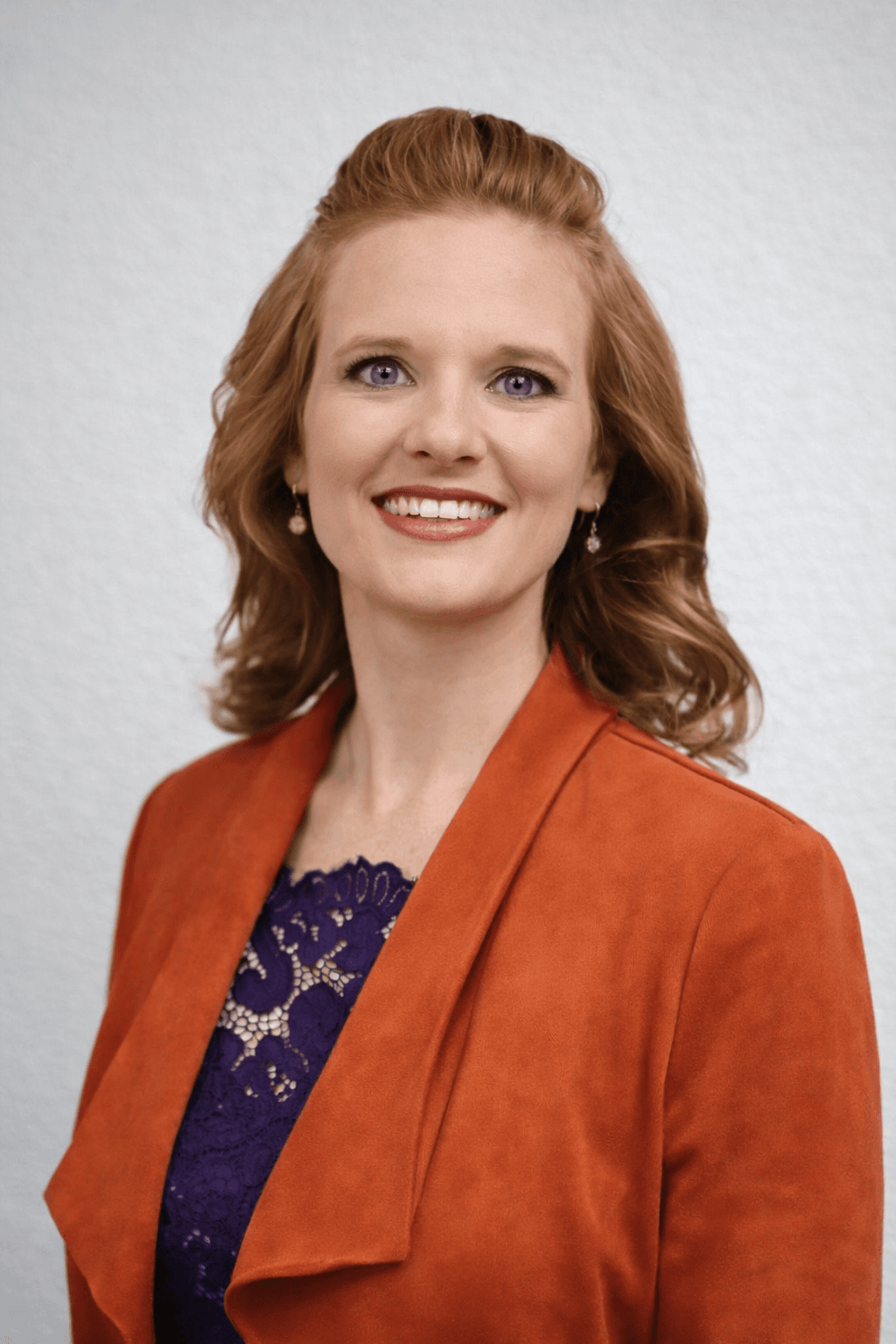
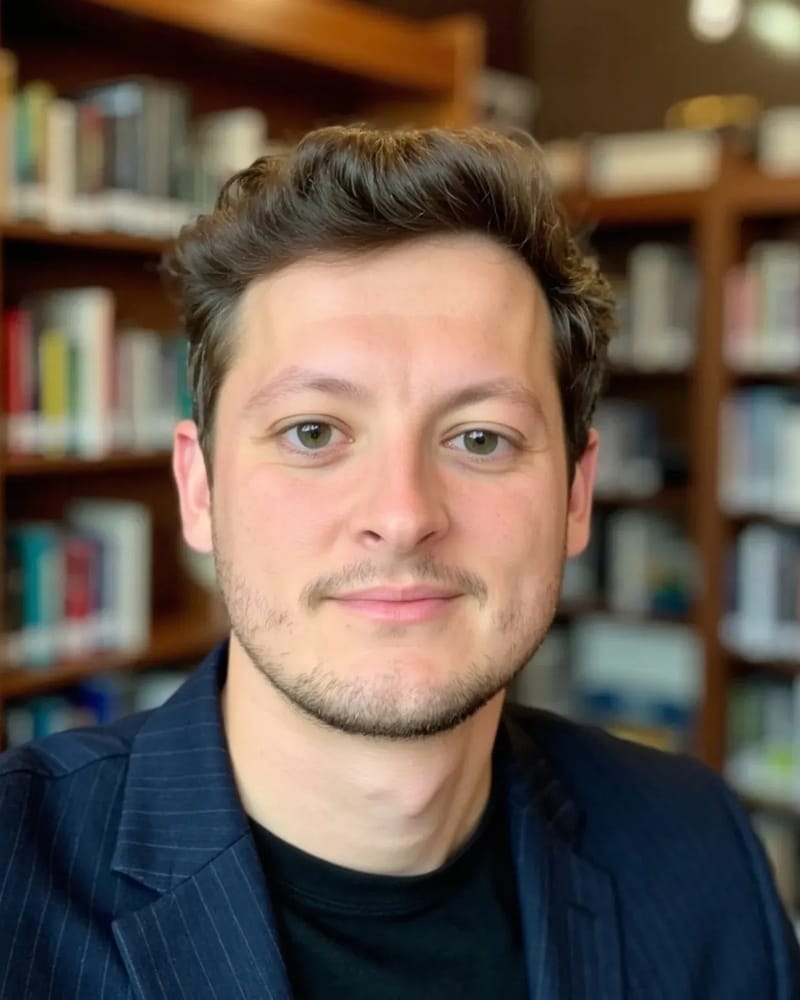
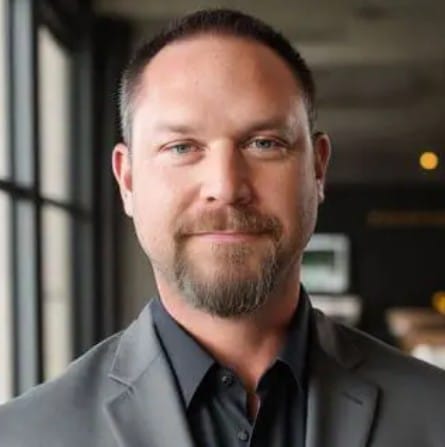
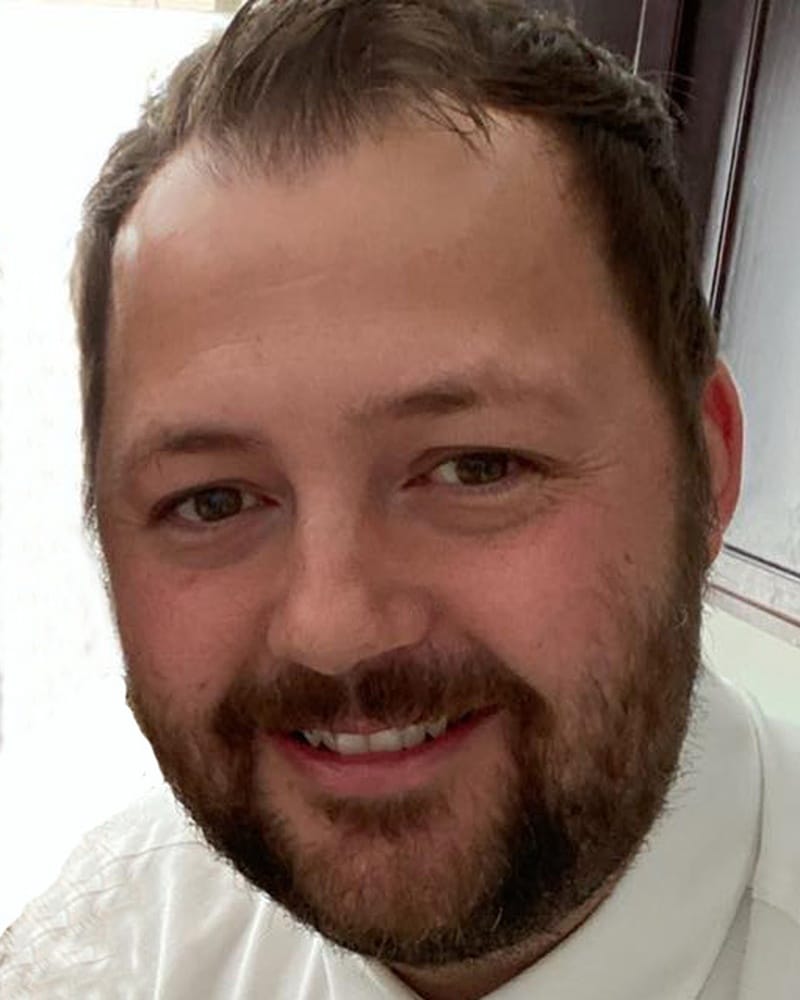
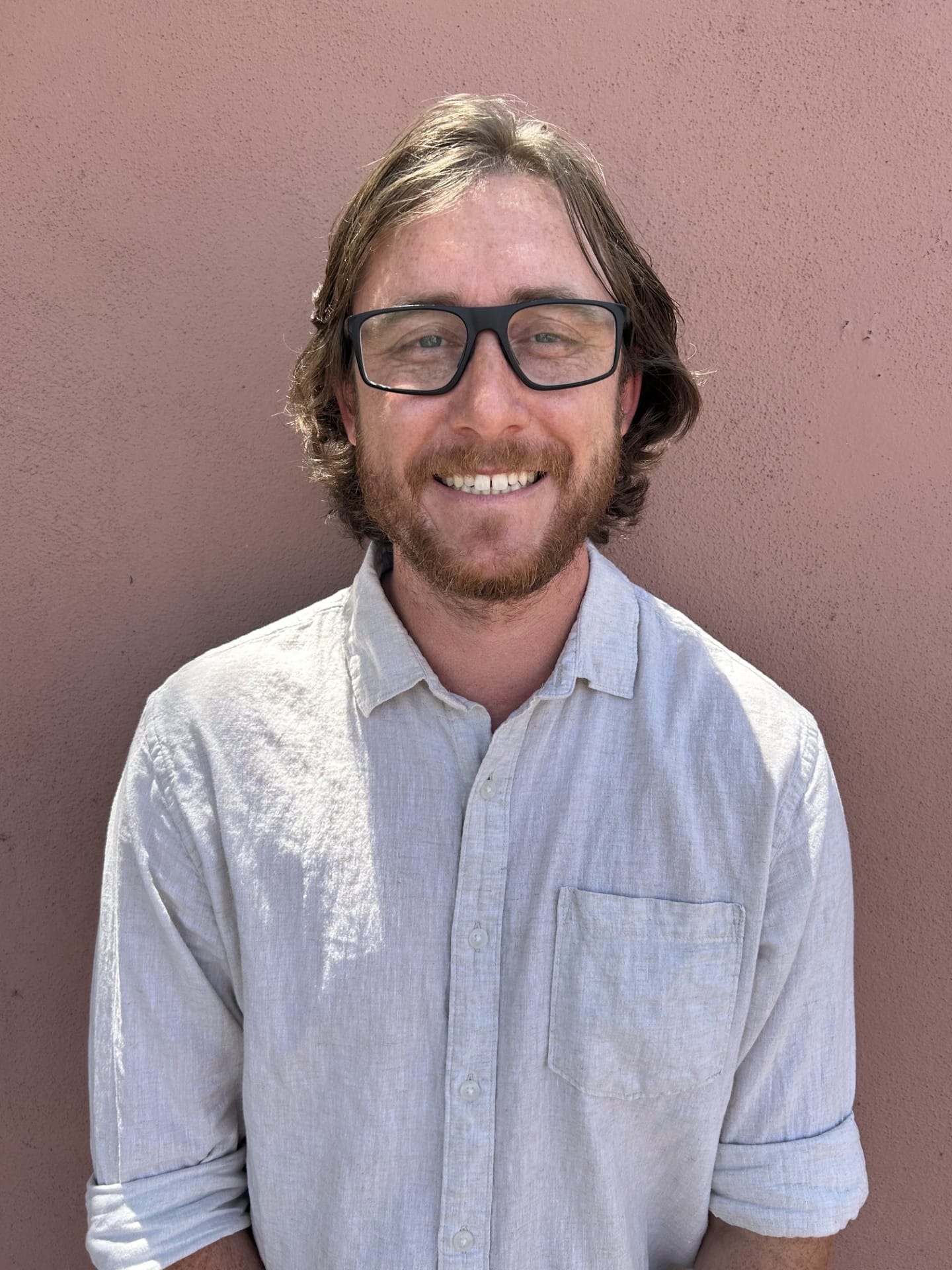
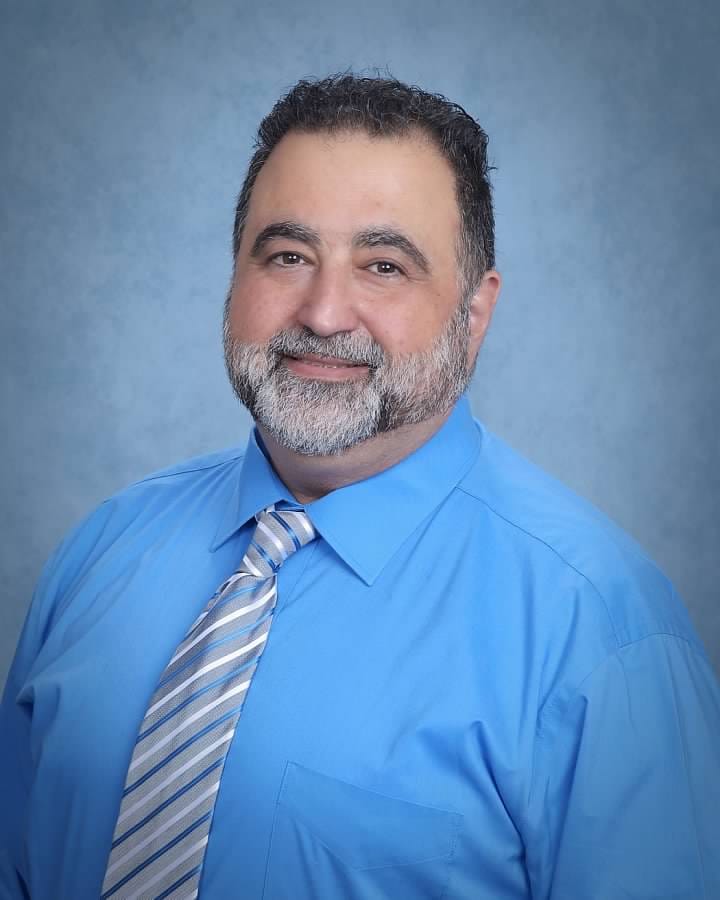
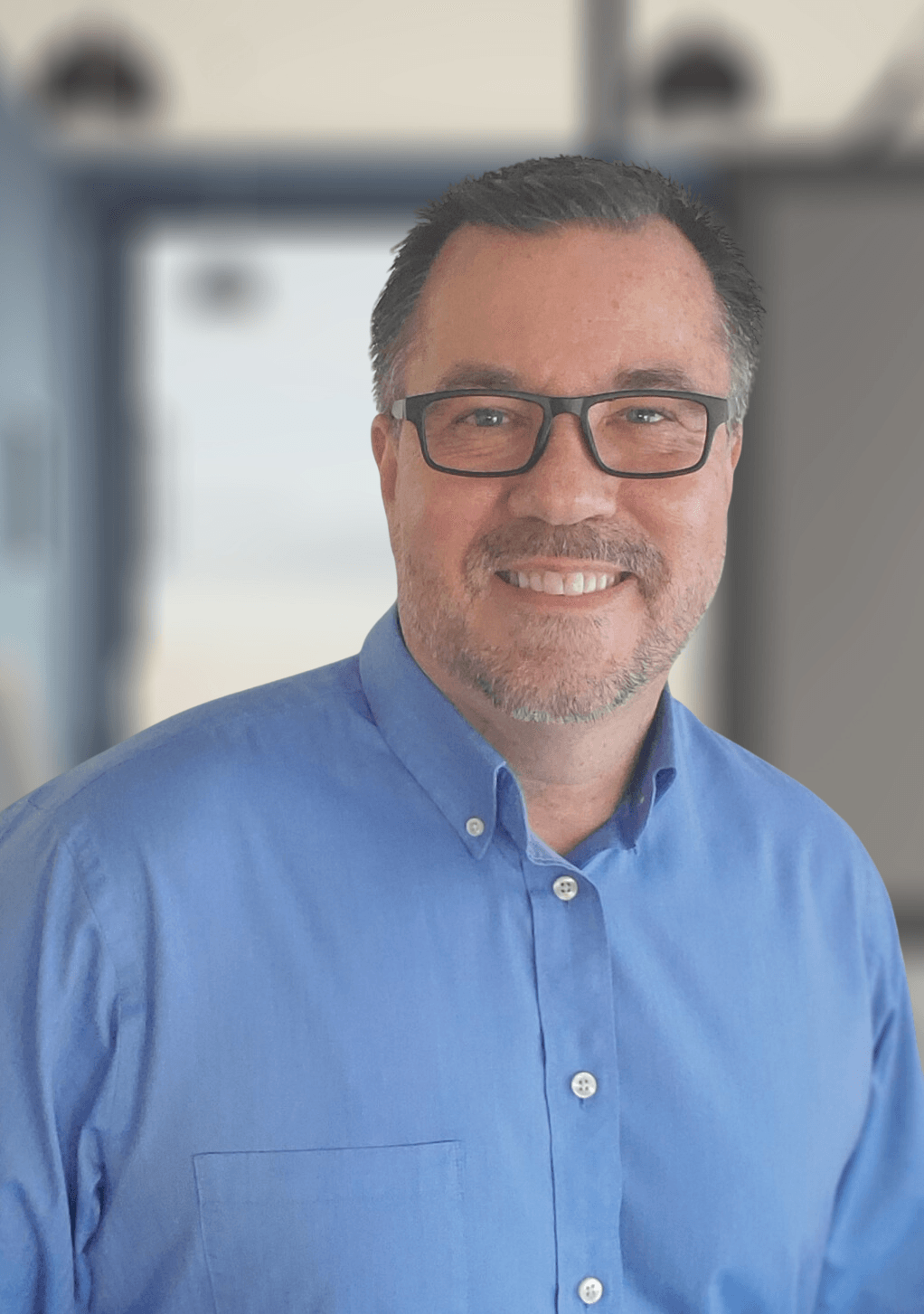
Our Professional Team
Our expert team comes together to support each client on their emotional well-being journey.
Brittany Cavicchioni, A.C.P.
CEO And Founder Of Bella Vida TMS
Dr. Fernando Grabner
Psychiatrist - Medical Director
Robert Wallen
Psychiatric Nurse Practitioner
Joseph "Joe" Stewart, PMHNP
Psychiatric Nurse Practitioner
Weston Hilland
Psychiatric Nurse Practitioner
Farshad Yahya
Psychiatric Nurse Practitioner
Tery Sexton
Psychiatric Nurse Practitioner
We're here to provide the support and guidance you need.