At Bella Vida TMS, we treat PTSD with a personalized, compassionate approach designed to help patients feel safe, supported, and understood. Treatment options may include psychiatric medication management, talk therapy, and advanced treatments like TMS for individuals struggling with trauma-related symptoms such as anxiety, depression, panic, sleep issues, and emotional overwhelm. Our team creates individualized care plans based on each person’s needs and goals. Bella Vida TMS proudly serves patients in Gilbert, Glendale, Scottsdale, and Phoenix, offering accessible mental health care with treatment options focused on healing, stability, and long-term relief.
What is PTSD?
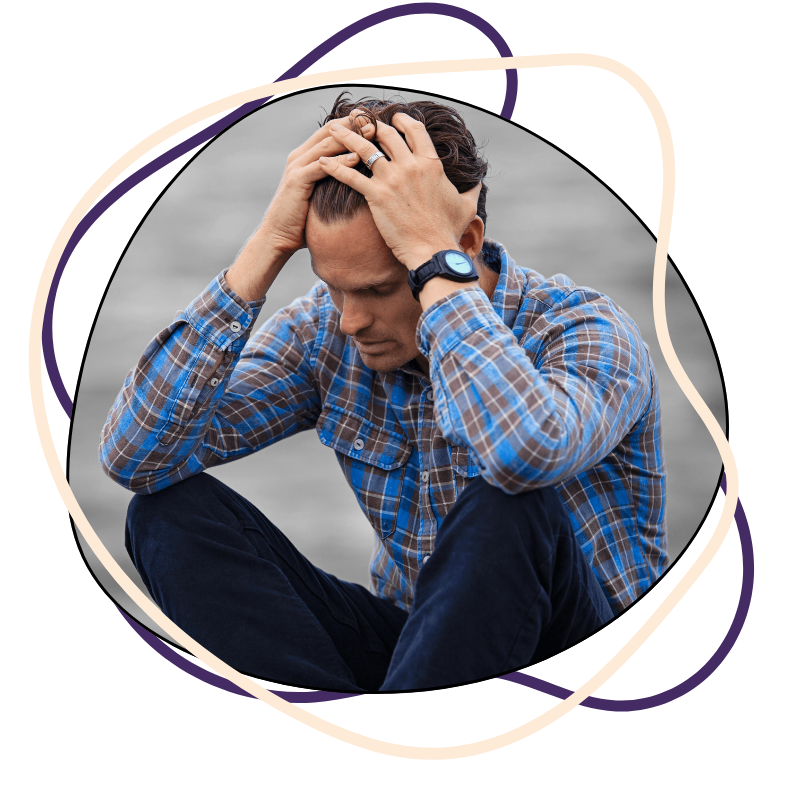
Post-Traumatic Stress Disorder, or PTSD, is a mental health condition that can develop after someone experiences or witnesses a traumatic event. This may include abuse, violence, accidents, military combat, medical trauma, or the sudden loss of a loved one. PTSD can affect the brain and body, making it hard to feel safe even after the danger has passed. Symptoms may include flashbacks, nightmares, anxiety, panic, trouble sleeping, irritability, emotional numbness, and avoiding reminders of the event. PTSD is not a personal weakness. It is a real and treatable condition, and with the right support, many people can find relief, healing, and a greater sense of control.
TMS may help treat PTSD by using targeted magnetic pulses to influence brain circuits involved in fear, stress, mood, and emotional regulation. For some patients, it may help reduce symptoms like hyperarousal, intrusive thoughts, anxiety, and depression. TMS is noninvasive and done in outpatient sessions. Insurance coverage is typically available only when PTSD is paired with a qualifying diagnosis of Major Depressive Disorder (MDD), since TMS is generally covered for MDD rather than PTSD alone.
Third Party Studies:
Cohen et al., 2004 — American Journal of Psychiatry This double-blind, placebo-controlled study randomized 24 patients with PTSD to 1 Hz, 10 Hz, or sham stimulation over the right dorsolateral prefrontal cortex. The 10 Hz group showed improvement in core PTSD symptoms, especially re-experiencing and avoidance, as well as anxiety, and the effects were still present at 2-week follow-up.
Boggio et al., 2010 — Journal of Clinical Psychiatry This randomized study assigned 30 civilians with PTSD to 20 Hz right DLPFC, 20 Hz left DLPFC, or sham TMS over 10 sessions. Compared with sham, both active groups improved core PTSD symptoms, with the right-sided treatment showing the larger effect; benefits persisted through 12 weeks of follow-up.
Philip et al., 2019 — American Journal of Psychiatry In a sham-controlled trial, 50 veterans with PTSD received intermittent theta-burst stimulation (iTBS) or sham. At 1-month follow-up, the active-treatment group showed significantly greater improvement in clinician-rated PTSD symptoms, self-rated PTSD symptoms, depression, and social/occupational functioning than the sham group.
Medication management can help treat PTSD by having a psychiatric provider carefully evaluate symptoms, choose appropriate medication, and monitor progress over time. Common options include SSRIs such as sertraline and paroxetine, and the SNRI venlafaxine, which may help reduce anxiety, fear, sadness, irritability, and emotional numbness. Medication management can also address related issues like sleep problems and nightmares, while allowing the treatment plan to be adjusted based on response, side effects, and overall functioning.
Third Party Studies:
Brady et al., 2000 — Sertraline (JAMA) This randomized controlled trial found sertraline was safe, well tolerated, and effective for PTSD.
Marshall et al., 2001 — Paroxetine (American Journal of Psychiatry) This fixed-dose, placebo-controlled study reported positive results for paroxetine in adults with chronic PTSD.
Davidson et al., 2006 — Venlafaxine ER (Archives of General Psychiatry) This 6-month randomized controlled trial found venlafaxine extended release was effective and well tolerated in PTSD treatment.
Stein et al., 2003 — Paroxetine for PTSD This randomized, double-blind, placebo-controlled study found that paroxetine was effective in the short-term treatment of PTSD, with significantly better response and remission rates than placebo.
Military Veterans Finding Peace with TMS
Military veterans, who often face unique mental health challenges stemming from their service, are finding long-lasting relief and renewed hope through TMS therapy.
Many veterans report significant improvements in their symptoms after undergoing TMS therapy, with effects that endure beyond the treatment period. This breakthrough modality is providing a beacon of hope for veterans seeking sustainable solutions for their mental well-being, empowering them to reclaim their lives and thrive post-service.
Stronger Together
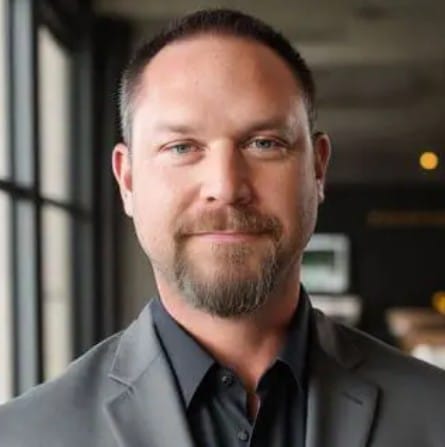
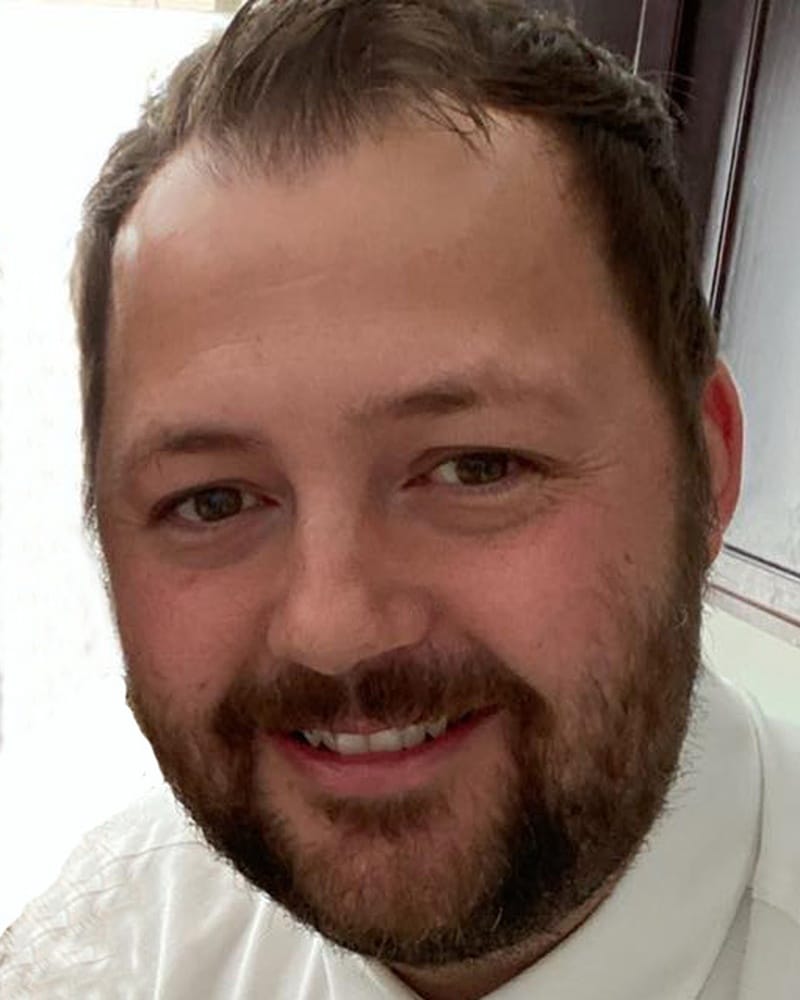
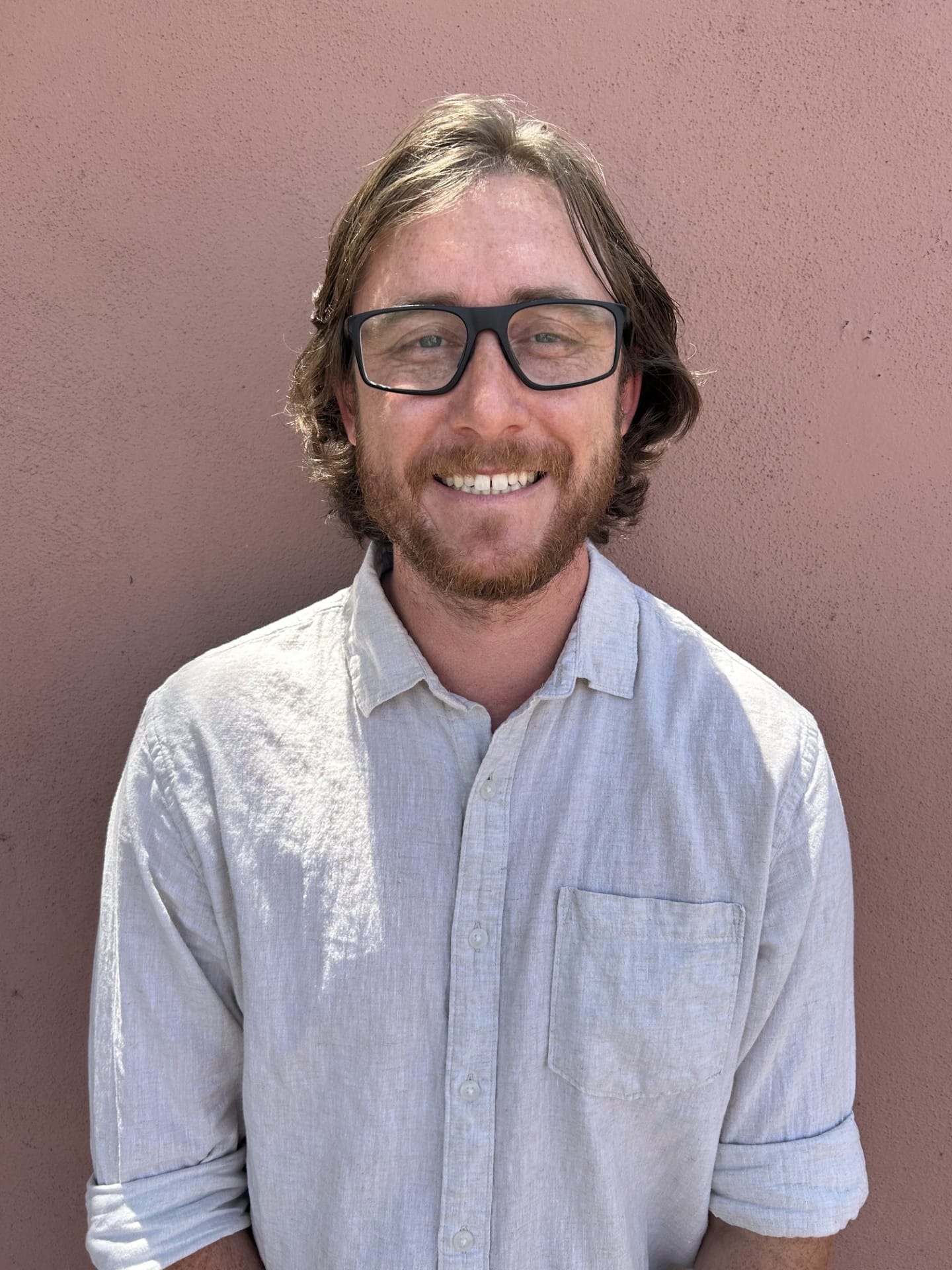
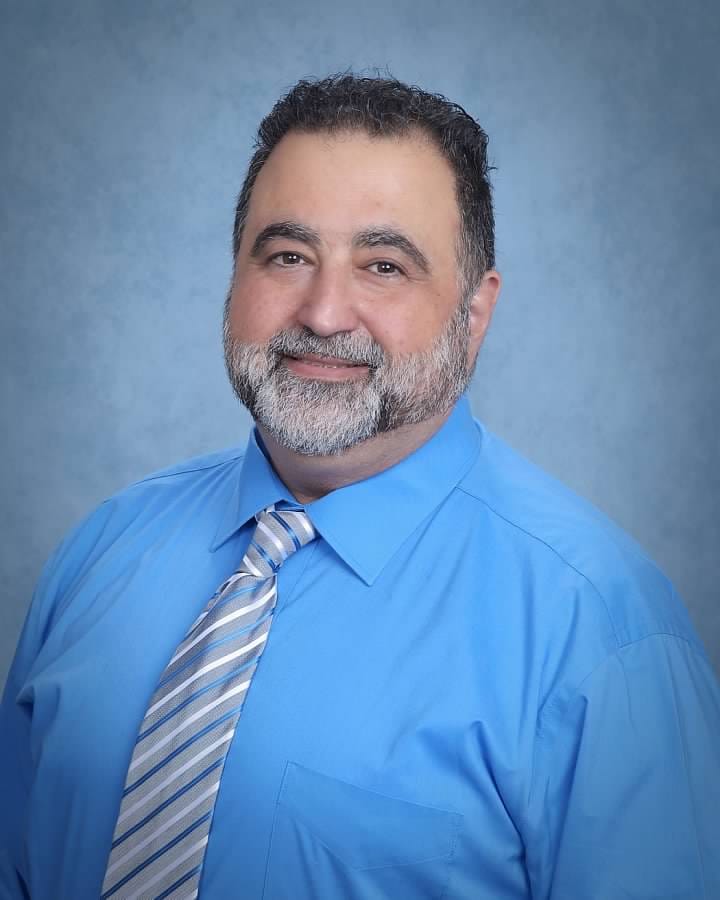
Our Professional Team
Our expert team comes together to support each client on their emotional well-being journey.
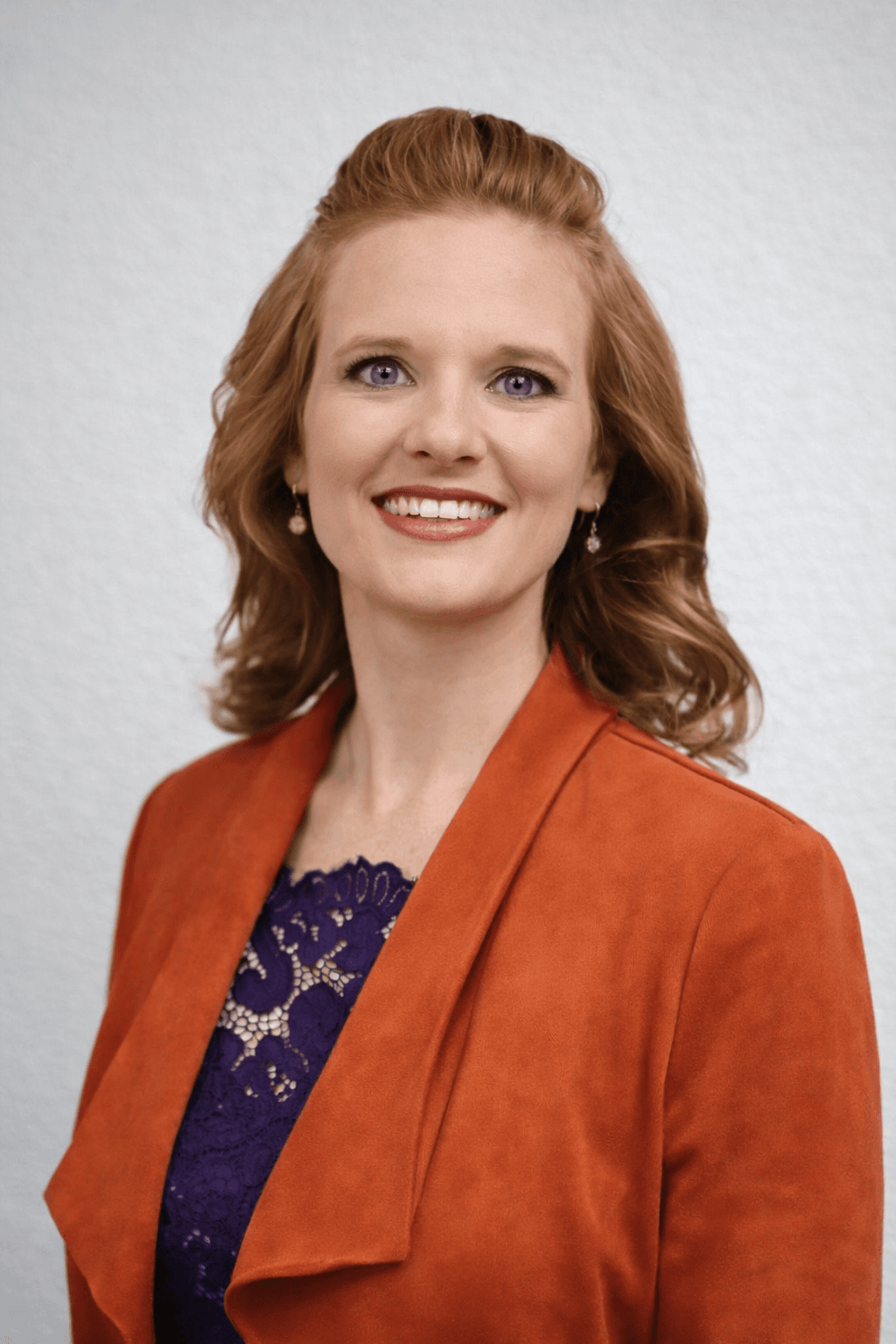
Brittany Cavicchioni, A.C.P.
CEO And Founder Of Bella Vida TMS
Dr. Fernando Grabner
Psychiatrist - Medical Director
Robert Wallen
Psychiatric Nurse Practitioner
Joseph "Joe" Stewart, PMHNP
Psychiatric Nurse Practitioner
Weston Hilland
Psychiatric Nurse Practitioner
Farshad Yahya
Psychiatric Nurse Practitioner
Tery Sexton
Psychiatric Nurse Practitioner
We're here to provide the support and guidance you need.